Allergy Myths Busted: Are Hypoallergic Dogs a Real Thing?
- manaway
- Aug 5, 2025
- 5 min read


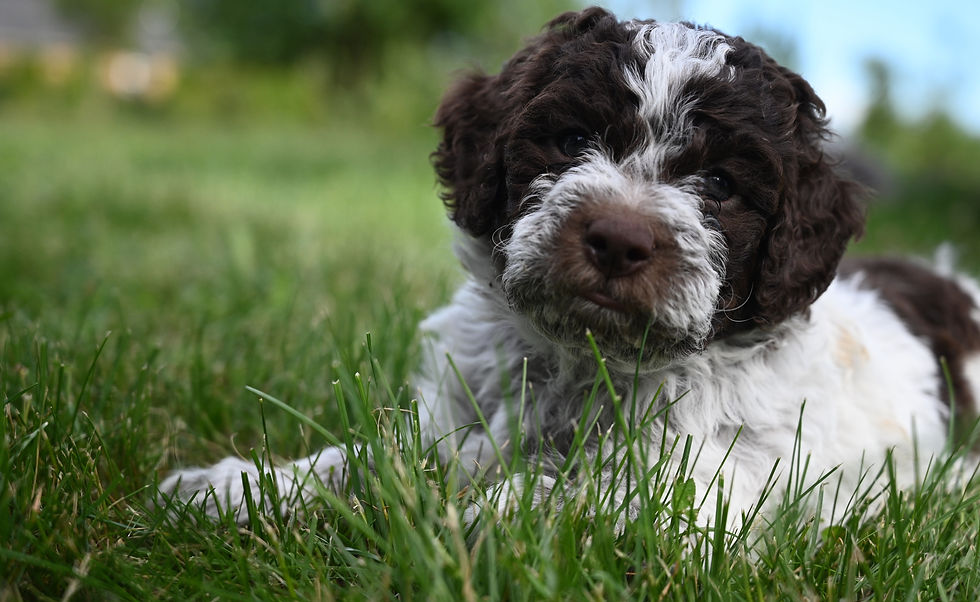
The term “hypoallergic dog” is a hot topic for pet lovers with allergies, generating thousands of searches each month. As a dedicated breeder of the Lagotto Romagnolo, a breed often praised for its low-shedding, curly coat, we’re here to separate fact from fiction. This article debunks common myths about hypoallergenic dogs, explains what affects allergen production, and explores why the Lagotto Romagnolo may be a good fit for those with mild allergies. If you’re considering a Lagotto, read on to learn how they might suit your lifestyle and how to join our waitlist for upcoming litters.
What Does “Hypoallergenic” Really Mean?
The term “hypoallergic” suggests a dog produces fewer allergens, making it less likely to trigger allergic reactions. However, no dog is completely allergen-free. Allergens primarily come from:
Dander: Dead skin cells shed by all dogs, the primary trigger for allergies.
Saliva: Proteins in saliva, transferred during licking, can cause reactions.
Urine: Less common, but urine proteins can also contribute to allergies.
While breeds like the Lagotto Romagnolo, Poodle, and Portuguese Water Dog are labeled hypoallergenic due to their low-shedding coats, the reality is more complex. Let’s debunk some myths to clarify what “hypoallergic” means for potential dog owners.
Common Myths About Hypoallergic Dogs
Myth 1: Hypoallergenic Dogs Don’t Cause Allergies
Fact: No dog is 100% hypoallergic. All dogs produce dander, saliva, and urine, which contain allergens like the Can f 1 protein. However, low-shedding breeds like the Lagotto Romagnolo may reduce airborne dander compared to high-shedding breeds like German Shepherds or Huskies. Studies show allergen levels vary more by individual dog than by breed, and even low-shedding dogs can trigger reactions in sensitive individuals (American Kennel Club).
Myth 2: Hairless Dogs Are the Best for Allergies
Fact: Hairless breeds like the Xoloitzcuintli still produce dander and saliva, which are the primary allergen sources. Their lack of fur may reduce dander spread, but it doesn’t eliminate allergens. Curly-coated breeds like the Lagotto Romagnolo can trap dander in their coat, potentially reducing its spread compared to hairless breeds, though regular grooming is essential.
Myth 3: Hypoallergic Dogs Require No Special Care
Fact: Low-shedding breeds often require more grooming to manage their coats and minimize dander buildup. For Lagotto Romagnolos, regular combing (2–3 times weekly) and professional grooming every 6–8 weeks prevent matting and reduce loose dander. Bathing with a gentle, hypoallergenic shampoo can further lower allergen levels.
Myth 4: All Allergy Sufferers Can Tolerate Hypoallergic Breeds
Fact: Allergy severity varies widely. Some people may tolerate low-shedding breeds like the Lagotto, while others with severe allergies may still react. Spending time with the breed before adoption is crucial to test compatibility.
What Affects Allergen Production?
Several factors influence how much allergen a dog produces and how it affects allergy sufferers:
Shedding: Low-shedding breeds like the Lagotto Romagnolo, Poodle, and Portuguese Water Dog produce less airborne dander than high-s舍ders. Their curly or dense coats trap dander, reducing its spread, but grooming is key to removing it.
Grooming: Regular combing, bathing, and professional grooming reduce dander and saliva on the coat. For Lagottos, keeping their curly coat clean and mat-free minimizes allergen buildup.
Environment: Indoor dogs may spread more dander in confined spaces. Frequent vacuuming, air purifiers with HEPA filters, and washing pet bedding weekly can help.
Individual Dog Variation: Allergen production varies between dogs of the same breed. Hormonal changes, diet, and stress can also affect dander levels.
Owner Sensitivity: The severity of a person’s allergies determines their reaction. Mild allergy sufferers may tolerate a Lagotto, while those with severe allergies may need additional precautions.
Why the Lagotto Romagnolo May Be a Good Fit for Mild Allergy Sufferers
The Lagotto Romagnolo is often recommended for those with mild allergies due to its unique characteristics:
Low-Shedding Coat: Their curly, wooly coat sheds minimally, trapping dander and reducing its spread compared to breeds like Labradors, which shed heavily.
Grooming Compatibility: Regular grooming, including weekly brushing and monthly baths, keeps their coat clean and minimizes allergens. Their coat’s texture is similar to Poodles, another hypoallergenic favorite.
Moderate Size: At 16–19 inches tall and 24–35 pounds, Lagottos are manageable for households, producing less dander than larger breeds.
Temperament: Their friendly, affectionate nature makes them ideal for families, and their adaptability suits various living environments, from apartments to homes with yards.
Important Note: Always spend time with a Lagotto Romagnolo before deciding, as individual reactions vary. Consult an allergist and visit a breeder to test your sensitivity. At Northwest Lagotto, we welcome potential owners to meet our dogs to ensure a good fit.
Tips for Managing Allergies with a Lagotto Romagnolo
To minimize allergic reactions while enjoying life with a Lagotto:
Groom Regularly: Brush 2–3 times weekly with a slicker brush and comb to remove loose dander. Schedule professional grooming every 6–8 weeks to maintain coat health.
Bathe Strategically: Use a hypoallergenic dog shampoo monthly to reduce dander and saliva on the coat. Dry thoroughly to prevent ear infections, a concern for Lagottos due to their pendulous ears.
Maintain a Clean Environment: Vacuum frequently, use HEPA air purifiers, and wash pet bedding weekly to reduce allergens in your home.
Limit Exposure: Designate pet-free zones, like bedrooms, to give your respiratory system a break. Wash hands and face after petting your dog to remove allergens.
Veterinary Care: Ensure your Lagotto is healthy, as skin conditions or infections can increase dander production. Regular vet check-ups catch issues early.
Allergy Management: Work with an allergist to explore medications, immunotherapy, or other strategies to manage symptoms.
Comparison Table: Hypoallergic Breeds
Breed | Shedding Level | Allergen Considerations | Grooming Needs |
Lagotto Romagnolo | Low | Low-shedding, curly coat traps dander; good for mild allergies | Weekly brushing, professional grooming every 6–8 weeks |
Poodle | Low | Low-shedding, curly coat; popular for allergy sufferers | Frequent brushing, clipping every 4–6 weeks |
Portuguese Water Dog | Low | Low-shedding, curly/wavy coat; similar to Lagotto | Regular brushing, grooming every 6–8 weeks |
Siberian Husky | High | Heavy shedding increases airborne dander; not hypoallergenic | Regular brushing, frequent baths |
Why Choose a Lagotto Romagnolo?
The Lagotto Romagnolo’s low-shedding coat, combined with their affectionate and intelligent nature, makes them a compelling choice for those with mild allergies. While no dog is truly hypoallergenic, proper care and grooming can significantly reduce allergen exposure. At Northwest Lagotto, we prioritize health and temperament, raising Lagotto Romagnolo puppies that are genetically screened and well-socialized for allergy-conscious homes.
Interested in a Lagotto Romagnolo for your allergy-friendly household? Join our waitlist for upcoming litters by emailing nwlagotto@gmail.com. Visit our website for more insights on caring for this unique breed. We are pleased to announce that we have puppies born July 30, 2025. For more information, contact us at NWLagotto@gmail.com
Citations
American Kennel Club - Hypoallergenic Dog Breeds
PetMD - Hypoallergenic Dogs
Lagotto Romagnolo Club of America - Breed Characteristics
WebMD - Lagotto Romagnolo
American Academy of Allergy, Asthma & Immunology - Pet Allergies


Comments